
- Solutions
- PortLink Solutions
Solutions Suite unlocks the power of optimization to make cargo flow.
Learn More Request a Demo

- PortLink Solutions
- Solutions
- PortLink Solutions
Solutions Suite unlocks the power of optimization to make cargo flow.
Learn More Request a Demo
- PortLink Solutions
You Don’t Change an Industry by Playing It Safe
Challengers & First Movers: Innovation Lessons from the Front Lines

What does it really take to break into a traditional, risk-averse industry like maritime logistics? At TOC Europe 2025, the CEOs of Avlino and Fernride came together for a bold and refreshingly honest talk to answer exactly that, not through buzzwords, but through hard-earned lessons and first-hand stories.
The session, hosted at Fernride’s booth, centered around a shared experience: entering an industry that’s deeply anchored in legacy systems, decades-old workflows, and an aversion to risk. Moderator Guenter Schmidmeir opened the conversation by pointing to one timeless truth: we’ve been tying ships with ropes for 4,000 years, some things haven’t changed. But the conversation that followed showed clearly that some things must.
Breaking Through the Wall of Tradition
Both CEOs recalled the early headwinds they faced. Ramana Jampala, CEO of Avlino, emphasized that their entry into container terminal operations wasn’t easy. We were saying “there’s a new way to stack a container, and position equipment compared to the traditional way.” he shared. But bringing that message to a deeply established industry wasn’t met with immediate enthusiasm, it was met with skepticism.
For Avlino, the turning point was partnering with a handful of early adopters, terminals willing to try something different. These relationships weren’t built on glossy tech demos; they were grounded in results. When Avlino could show measurable improvements in KPIs like rehandles, travel distance, and gross moves per hour, trust followed.
Fernride’s CEO, Hendrik Kramer, echoed this sentiment. Startups, he said, are often perceived as risky. “But we’re actually your best partners for innovation,” he argued. What’s needed, according to Kramer, is a “translator”, that helps bridge the gap between startups and terminal operators. It’s about making change digestible, and ensuring innovation is introduced in a way that fits the customer’s reality.
Why Early Adopters Win
A central theme of the conversation was the unique opportunity available to first movers. “This is only once in a life cycle of a new technology where you can really shape that technology according to your needs,” Kramer noted. “Those kinds of opportunities are unique and a competitor might take that opportunity.”
Jampala added that early adopters who partnered with Avlino had direct input in defining features and priorities. “We didn’t treat them as just customers, they were co-developers,” he said. The result? A more tailored solution and strong advocates who became megaphones for the product.
Trust, Skin in the Game, and Saying No to Free POCs
One of the most candid takeaways came when both CEOs discussed how to build trust, and when to walk away. Jampala shared that free proof of concepts can be risky. Unless there’s skin in the game on both sides, even a small cheque signed by the CFO, you don’t have a real commitment, Jampala clarified “It’s about mutual investment, shared risk, and shared reward”, not about profit.
Looking Ahead: From Innovation to Industry Norm
The session closed with a powerful reflection: the early adopters of today could be the industry’s superheroes tomorrow. The CEOs painted a vision of collaboration that doesn’t just bring a new product to market, it helps shape the future of how terminal operations function at scale.
For both companies, innovation isn’t about selling a solution. It’s about co-creating change with partners who are willing to take the leap, and reap the rewards before the rest catch up.
Trending Now

6 Ways to Reduce Port Congestion
Port congestion has become a significant bottleneck in global trade, impacting the efficiency and reliability of...
Learn More 
How to Prepare for Operational Peak Periods: 5 Critical Tips
Operational peaks in container terminals, characterized by significant surges in cargo volume and activity durin...
Learn More 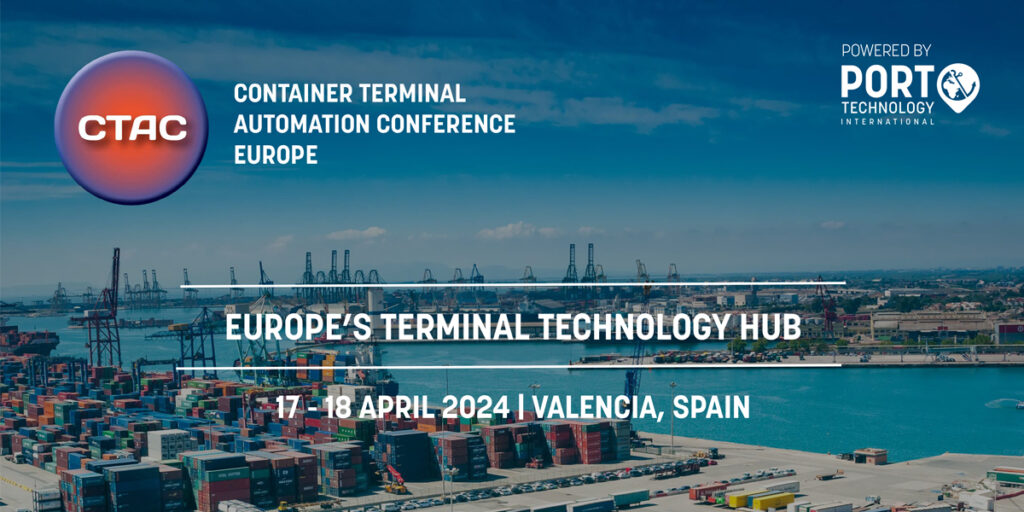
Avlino Sponsors CTAC Europe 2024 in Valencia, Spain
Valencia, Spain, is set to host a gathering of industry leaders, pioneering technologies, and forward-looking pe...
Learn More Take A Closer Look
Wondering what this solution looks like in your own container yard? Download the comprehensive case study that breaks down the how and why—and envision groundbreaking progress in your operations for tomorrow.