
- Solutions
- PortLink Solutions
Solutions Suite unlocks the power of optimization to make cargo flow.
Learn More Request a Demo

- PortLink Solutions
- Solutions
- PortLink Solutions
Solutions Suite unlocks the power of optimization to make cargo flow.
Learn More Request a Demo
- PortLink Solutions
6 Ways to Reduce Port Congestion
By Brendan Crowther, Senior Business Analyst at Avlino
Port congestion has become a significant bottleneck in global trade, impacting the efficiency and reliability of supply chains. It imposes substantial costs on the global economy by delaying shipments and increasing operational expenses. The root causes of port congestion are complex and multi-faceted, encompassing logistical, operational, and infrastructural issues.
Advanced optimization techniques offer effective solutions to help mitigate some of these challenges and improve the overall flow of port operations. By harnessing the full potential of operational data, often available but underutilized, optimization can enhance decision-making, provide actionable insights, and identify new patterns to reduce costs and improve performance across key workflows.
Key Drivers of Inefficiencies
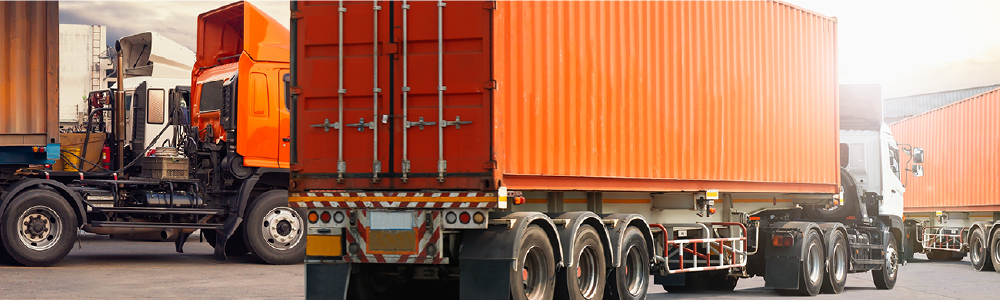
Inefficient vessel scheduling is a significant and widely known issue, as poorly coordinated arrival and departure times often lead to a surge of simultaneous ships berthing, causing bottlenecks and delays. These problems are further aggravated by unpredictable weather conditions and unforeseen delays in arrivals and departures.
Ineffective use of the yard can lead to high yard utilization in certain parts of the terminal. This will lead to a surge in container shuffling (when containers are stacked higher), and more wear and tear of yard cranes which leads to an increase in equipment breakdowns. This all contributes to slower turnaround times of vessels and gate operations, especially during peak hours of the day. Also, inefficient placement of containers can escalate crane gantry and/or congestion if too many internal and external trucks arrive at a similar time for a particular set of containers.
Traffic management issues play a critical role in exacerbating port congestion. Poorly managed port traffic, coupled with a lack of real-time traffic data, prevents effective optimization, leading to gridlocks and slower cargo movement. Equipment downtime adds another layer of difficulty. Unplanned maintenance and equipment failures disrupt port operations, causing further delays. Regular maintenance is essential to minimize downtime and ensure the smooth functioning of port operations.
Lastly, the lack of high-fidelity data collection and analytics capabilities poses a significant challenge. Insufficient access to accurate, real-time insights hinders the ability to monitor, plan, and optimize operations effectively, leading to inefficiencies, misplaced resources, and delays. This not only erodes operational efficiency but also elevates security risks, introducing additional complexity into the already intricate landscape of port operations.
Leveraging Intent-Driven Optimization: Six Solutions to Ease Port Congestion

To address the root causes of congestion, ports need more than just reactive fixes, they need systems that align operational decisions with real-time priorities. Intent-driven optimization enables this by continuously refining workflows based on evolving conditions, operational goals, and terminal intent. Below are six ways this approach can help ease congestion and improve overall efficiency across port operations.
- Proactive Vessel Scheduling
By aligning berth schedules with real-time and historical operational patterns, ports can anticipate vessel arrival and departure times more accurately. This allows terminal operators to allocate quay resources with greater precision, reducing overlapping vessel calls and easing pressure during peak periods. - Optimized Berth Utilization
Berth planning benefits significantly from advanced optimization techniques that consider vessel profiles, cargo characteristics, service schedules, and live operational constraints. This results in higher berth productivity, shorter idle times, and better alignment between quay operations and landside flows. - Dynamic Yard Space Allocation
Fluctuating container volumes and imbalances in yard occupancy can lead to costly rehandles and inefficient equipment use. Intent-driven optimization enables dynamic yard planning by continuously adjusting container placements based on dwell time trends, departure expectations, and crane workload balancing, minimizing congestion from both internal and external trucks and accelerating turnaround times. - Responsive Traffic Management
Traffic bottlenecks within the terminal are often caused by static planning and limited visibility. Intent-driven systems can use real-time data from IoT sensors to monitor and refine equipment routing in real time, coordinating movements of internal and external trucks to prevent clustering and avoid gate slowdowns, particularly during surge periods. - Condition-Based Equipment Maintenance
Unplanned downtime due to equipment failure can derail terminal operations. Optimization strategies shaped by operational data, such as usage rates, handling cycles, and performance trends, support condition-based maintenance planning. This ensures timely interventions that reduce disruption without overburdening maintenance teams. - Enhanced Container Tracking and Visibility: In container terminals, manual data entry and data issues in general can cause containers to be misplaced. Searching for each container is a waste of valuable time and resources. Optimization systems can help mitigate this problem by analyzing previous movement and handling patterns to foresee and/or help deduce container’s likely location.
Final Thoughts
The pressure on ports to perform with greater speed, resilience, and sustainability has never been higher. As operational complexity increases, so does the urgency for more coordinated, purpose-built systems. Intent-driven optimization is emerging as a foundational capability, empowering terminals to shift from reactive decision-making to forward-aligned, performance-focused operations.
By tapping into the full potential of operational data and aligning every planning layer with real-world objectives, terminals can eliminate inefficiencies before they escalate, enhance collaboration across the logistics chain, and stay responsive in dynamic environments. The future of port operations belongs to those who rethink legacy processes through systems built to deliver measurable, sustained impact.
See more in this use case
Trending Now

Avlino at TOC Europe 2024
Avlino is excited to announce its participation in TOC Europe 2024, set to take place in Rotterdam. As a pioneer...
Learn More 
Meeting Industry Experts at CTAC Europe 2025
The Container Terminal Automation Conference (CTAC) returns to Valencia, Spain, on April 1-2, 2025, bringing tog...
Learn More 
Avlino Sponsors CTAC Europe 2024 in Valencia, Spain
Valencia, Spain, is set to host a gathering of industry leaders, pioneering technologies, and forward-looking pe...
Learn More Take A Closer Look
Wondering what this solution looks like in your own container yard? Download the comprehensive case study that breaks down the how and why—and envision groundbreaking progress in your operations for tomorrow.