
- Solutions
- PortLink Solutions
Solutions Suite unlocks the power of optimization to make cargo flow.
Learn More Request a Demo

- PortLink Solutions
- Solutions
- PortLink Solutions
Solutions Suite unlocks the power of optimization to make cargo flow.
Learn More Request a Demo
- PortLink Solutions
How to Prepare for Operational Peak Periods: 5 Critical Tips

By the Marketing Team at Avlino
Operational peaks in container terminals, characterized by significant surges in cargo volume and activity during peak hours, present substantial challenges to maintaining efficiency and service levels. These peak periods, often seasonal but sometimes unpredictable, can severely impact terminal operations if not managed properly. The consequences of inadequate preparation range from operational disruptions to a noticeable dip in service quality.
This article outlines strategic planning and adaptability as essential components for terminals aiming to handle operational peak seasons effectively. By embracing a proactive approach, terminals can ensure smooth operations and high service standards during seasons when the terminal’s capacity is strained.
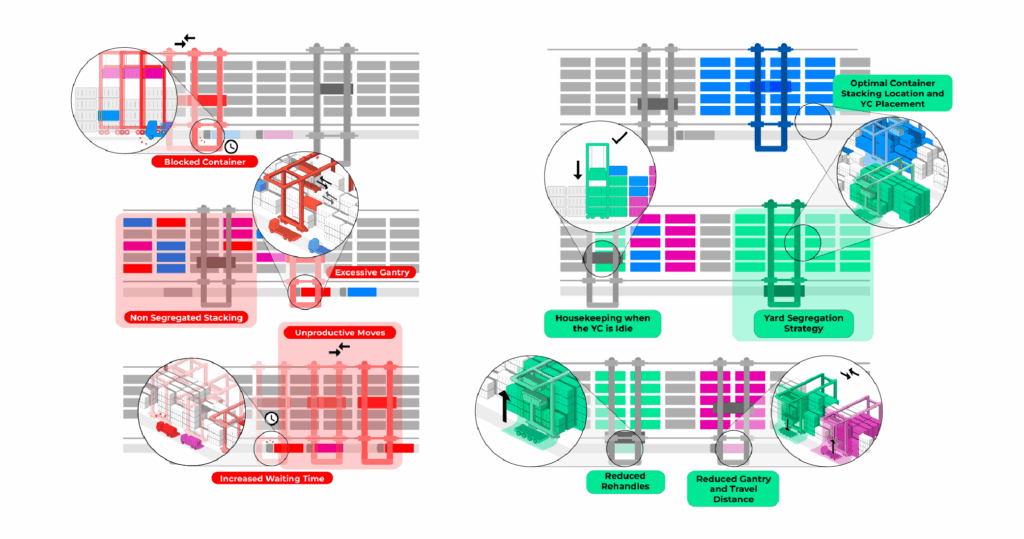
Challenges of Operational Peaks
During peak periods, terminals face heightened demands that test the limits of their capacity and resource management. The influx of cargo volume during peak hours not only strains storage and handling facilities but also puts pressure on the workforce.
Key challenges include managing increased cargo space requirements, efficiently deploying resources, maintaining timely operations amidst heightened activity, and coordinating the influx of vessels, trucks, and rail services. Misalignments in these logistics can exacerbate delays and increase operational costs, while congested traffic flows within the terminal and its access points can lead to longer truck turnaround times and elevated emissions.
Failure to adequately prepare for these spikes in demand can lead to significant disruptions, including delayed shipments, increased wait times for cargo handling, and ultimately, dissatisfied customers. Additionally, the accelerated pace can cause wear and tear on equipment, increasing maintenance costs and potentially shortening service life. These factors combine to create a challenging environment that demands robust strategies and effective management to maintain smooth operations and high service quality during operational peaks.
Five Critical Tips for Managing Operational Peaks
Tip 1. Optimize Resource Allocation and Staffing Levels
Effective resource management requires not just sufficient staffing but strategic deployment tailored to anticipated workloads. Utilizing forward-looking analysis, terminals can accurately project peak periods and adjust schedules ahead of time, ensuring that both personnel and equipment like cranes and trucks are optimally utilized. This proactive approach helps maintain continuous operations by aligning resource availability with demand spikes.
Tip 2. Implement Proactive Maintenance Schedules
Regularly scheduled maintenance during lower activity periods prevents unexpected equipment failures during critical times. Using data analytics for preventive maintenance allows for timely repairs and updates, minimizing the risk of downtime. Additionally, training staff to perform routine checks and identify potential issues before they escalate ensures equipment reliability when most needed.
Tip 3. Enhance Contingency Planning
Robust contingency planning involves preparing for scenarios where demand unexpectedly exceeds estimates. This may include pre-arranged overflow agreements with nearby terminals or flexible staffing strategies through on-call labor pools. Quick-deployment logistics solutions, such as mobile or modular cargo handling equipment, also play a critical role in adapting to sudden surges in volume.
Tip 4. Foster Strategic Planning and Collaboration
Encouraging a culture of strategic planning and collaboration across all levels of terminal operations enhances efficiency. Integrating communication platforms and planning tools helps synchronize operations, allowing for real-time adjustments. Regular strategy sessions that involve key stakeholders ensure that operational plans are comprehensive and reflective of actual working conditions.
Tip 5. Adaptability to Changing Conditions
Terminals must remain flexible to adapt to changing market dynamics and unexpected operational challenges. This involves continuously monitoring performance metrics and being willing to adjust processes and systems in response to feedback and emerging trends. Empowering employees through training in adaptive thinking and problem-solving skills further enhances the terminal’s responsiveness.
Here is how we can help you
Avlino’s optimization solutions are designed to enhance operational efficiency supporting operations during peak periods. By integrating advanced analytics, PortLink Solutions can anticipate a terminal’s state during peak demand with high accuracy, allowing terminal operators to prepare in advance for surges in cargo volume.
Intent-driven solutions, such as PortLink, optimize resource allocation, facilitating the execution of maintenance schedules, and enhancing real-time decision-making, thereby reducing downtime and increasing throughput. PortLink includes industry-specific modules that enable better collaboration and information sharing, making it easier to adapt to real-time operational demands and maintain high levels of customer service during peak periods.
Conclusion
Successfully navigating operational peaks is crucial for maintaining efficiency and service excellence in container terminal operations. By implementing these five critical strategies, terminals can effectively manage increased demands and ensure robust operations during peak times.
The importance of strategic resource allocation, proactive maintenance, and dynamic contingency planning cannot be overstated. Moreover, fostering an environment of strategic planning and adaptability ensures that terminals are not just reacting to changes but are prepared to meet them head-on.
As the industry continues to evolve with increasing global trade and technological advancements, the adoption of these practices will be key to achieving operational resilience and long-term success. With the support of Avlino’s advanced optimization solutions, terminals are equipped to anticipate, respond, and thrive during the most challenging peak periods, securing a competitive edge in the fast-paced world of container logistics.
Check out a real-world example!
Trending Now
6 Ways to Reduce Port Congestion
Port congestion has become a significant bottleneck in global trade, impacting the efficiency and reliability of...
Learn More 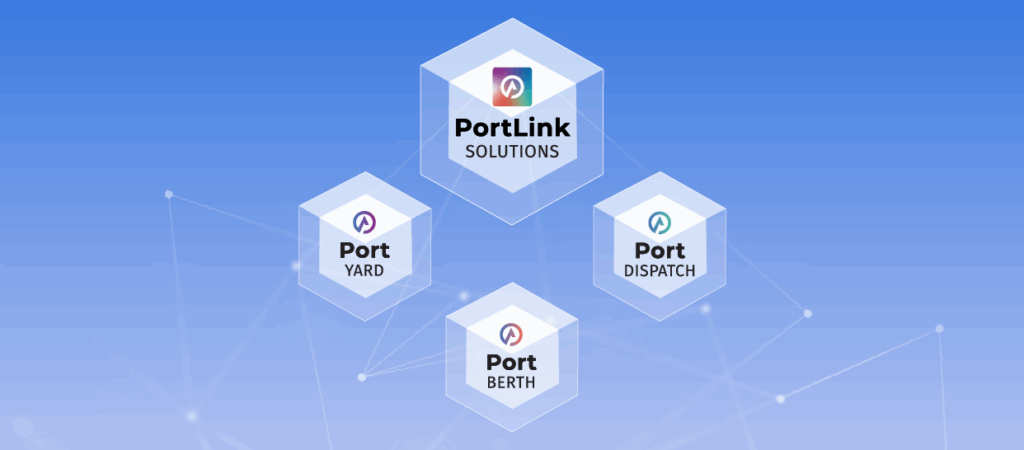
New Product Names to Match Avlino’s Strategic Positioning
Avlino is an optimization solutions company dedicated to transforming the Container Supply Chain, we are committ...
Learn More 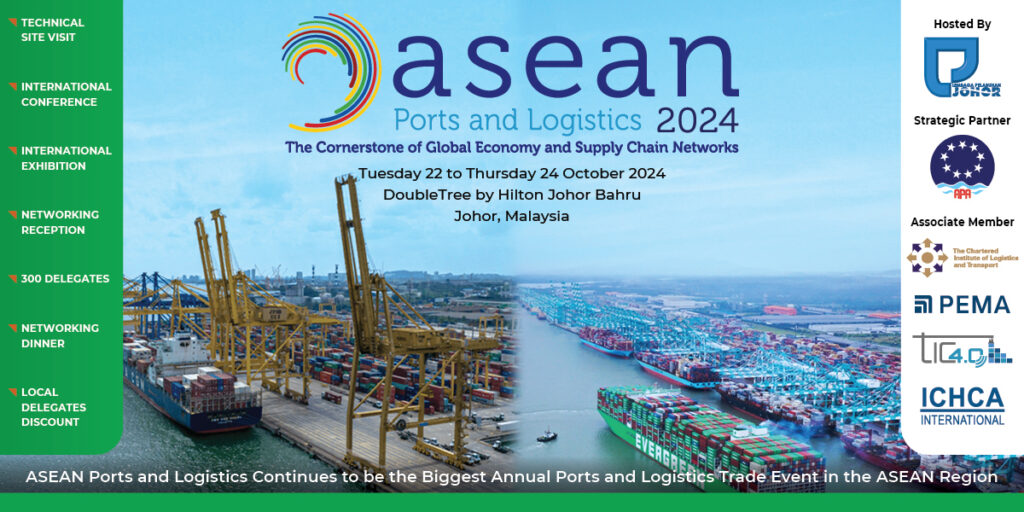
Avlino at ASEAN Ports and Logistics 2024
We are thrilled to announce that Avlino will be participating in the 22nd ASEAN Ports and Logistics Conference, ...
Learn More Take A Closer Look
Wondering what this solution looks like in your own container yard? Download the comprehensive case study that breaks down the how and why—and envision groundbreaking progress in your operations for tomorrow.