
- Solutions
- PortLink Solutions
Solutions Suite unlocks the power of optimization to make cargo flow.
Learn More Request a Demo

- PortLink Solutions
- Solutions
- PortLink Solutions
Solutions Suite unlocks the power of optimization to make cargo flow.
Learn More Request a Demo
- PortLink Solutions
When Every Second Counts: Optimizing Equipment Dispatching in Modern Terminals
By Ananta Mahapatra, Principal Data Scientist at Avlino
In a container terminal, performance is measured in seconds. Every moment a quay crane hangs idle, every misplaced yard move, and every unexpected queue of internal trucks creates ripple effects across the entire operation. While vessel schedules, yard capacity, and labor planning often receive the most attention, optimized equipment dispatching is the quiet force that ultimately determines how smoothly containers move through a terminal. When dispatching falters, when timing slips just slightly, container terminal throughput declines, congestion rises, and productivity stalls.
Modern terminals increasingly recognize that dispatching is not just about assigning jobs; it is about anticipating and synchronizing decisions across quay, yard, and transport systems so equipment can work together, not against each other. To keep performance stable, terminals rely on coordinated, intent-driven operations rather than isolated or reactive decisions.
When Seconds Shape Terminal Performance
Equipment dispatching is one of the most influential yet understated drivers of operational performance in a container terminal. Terminals rely on the precise choreography of quay cranes, yard cranes, and internal transport to keep cargo moving. When these movements lose alignment, delays compound quickly.
A brief crane pause may seem insignificant, but an idle hook accumulating over dozens of moves directly impacts container terminal throughput and slows vessel turnaround. At the same time, clusters of HTEs at the apron or congestion forming between yard blocks can quickly drain system capacity.
The challenge is clear: dispatching sits at the intersection of multiple operational domains, each with its own constraints and shifting priorities. More synchronized coordination is now essential for maintaining fluid operations.
Why Resource Coordination Breaks Down Under Pressure
On the surface, equipment dispatching may appear to be a simple resource allocation problem, but container terminals are among the most complex operational environments in the world. Decisions about where to send vehicles or which crane should handle the next move ripple outward across multiple systems. Quay cranes operate with tight timing expectations driven by vessel schedules. Yard cranes must navigate dynamic block inventories and the frequent need for rehandles. Horizontal transport must respond to demands from both ends, often at the same time.
Compounding this complexity are external factors that make operations unpredictable. Vessel arrivals shift with tides and weather. Inventory conditions in the yard change minute by minute. Gate and rail activity fluctuates throughout the day. Combining all this with the more human elements of fatigue, operational changeovers, unreliable BAPLIEs, and, in some cases, ineffective vessel plans exposes why rule-based or static dispatching strategies inevitably break down. They cannot adapt quickly enough to real-time variation or anticipate cascading impacts. This makes it difficult to reduce terminal congestion, maintain smooth coordination between quay and yard operations, and optimally allocate limited terminal resources.
The Waterside Bottleneck: How Dispatching Impacts Quay Crane Productivity
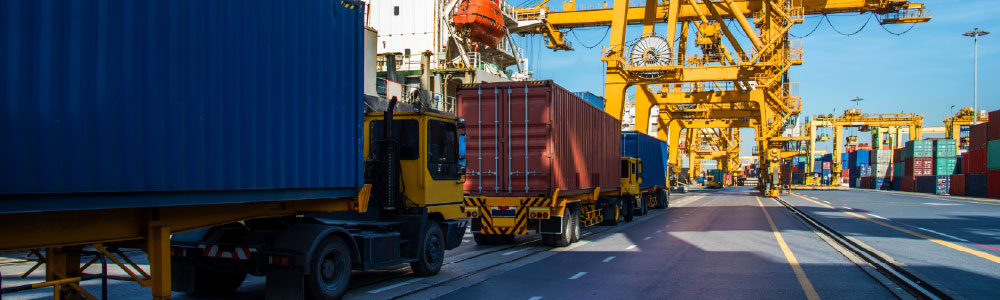
Nowhere are dispatching challenges felt more immediately than at the waterside. Quay crane productivity is directly dependent on a steady supply of inbound and outbound containers. When an HTE arrives too early, it contributes to apron congestion and sits idle when it could be completing productive cycles. When it arrives too late, the crane is forced to wait, and the rhythm of vessel operation slows. Even subtle errors in timing due to hatch covers opening and closing, and QC travel, can accumulate into minutes or hours of delay across an entire vessel call.
The situation becomes even more complex when out-of-sequence containers arrive at the crane. Stowage plans depend on precise order, and deviations force operators to pause while corrective steps are taken. These delays demonstrate how tightly quay operations rely on just-in-time service. Effective dispatching helps mitigate these risks by synchronizing vehicle arrivals with crane cycles, reducing crane idle time, and minimizing hanging hook events. When timing is aligned, vessel operations progress more fluidly and predictably.
The Yard Challenge: Sequencing, Rehandles, and Crane Interference
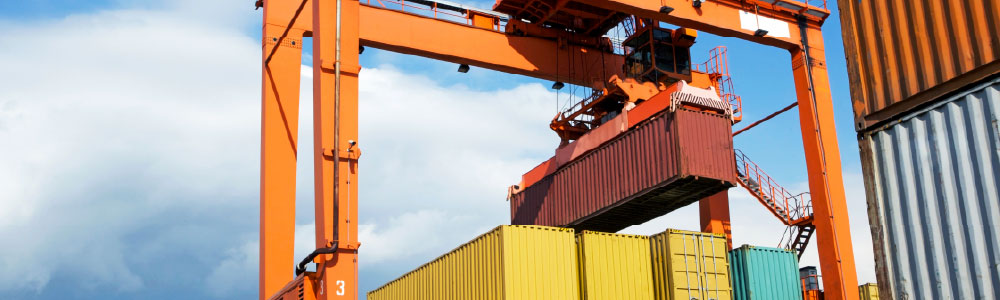
While the waterside reveals the symptoms of poor equipment dispatching, many of the root causes originate in the yard. Yard operations must respond to multiple job sources – gate arrivals, rail transfers, yard grooming, and vessel-related tasks – all of which converge at the yard cranes. Containers may require rehandles because they are buried below other boxes, adding complexity to retrieval. Overlapping ranges between yard cranes create additional challenges, as the movement of one crane can delay or restrict another.
In this environment, job sequencing optimization becomes essential. The sequence in which containers are moved affects crane utilization, yard travel distance, and the timing of transport vehicles heading back to the quay. Effective coordination determines which crane is best placed to handle a specific job, when a crane should be pre-positioned for upcoming work, and how yard cranes and HTEs should be allocated to support particular quay cranes. When sequencing aligns with operational goals, yard operations become more stable and predictable, creating a more reliable foundation for the entire terminal.
Horizontal Transport: The Link That Holds the System Together
Horizontal transport – whether TTs, ITVs, or AGVs – serves as the connective tissue between yard and quay. Its performance directly influences both waterside and yard productivity. Too many vehicles operating in a confined area quickly create congestion, slowing down overall movement. Too few vehicles result in quay cranes waiting, with productivity dropping. Even inefficiencies that seem minor, such as unnecessary unladen travel or mismatched arrival sequences, can have significant operational impacts.
To address these challenges, terminals are adopting more sophisticated approaches to equipment pool management and dispatching decisions. By optimizing horizontal transport, terminals can reduce unladen travel distance, improve equipment utilization, and maintain more consistent flows. Rather than simply adding more vehicles, terminals must focus on better deploying the units they have, aligning their movements with both current and anticipated operational needs.
What Intent-Driven Optimization Looks Like in Practice
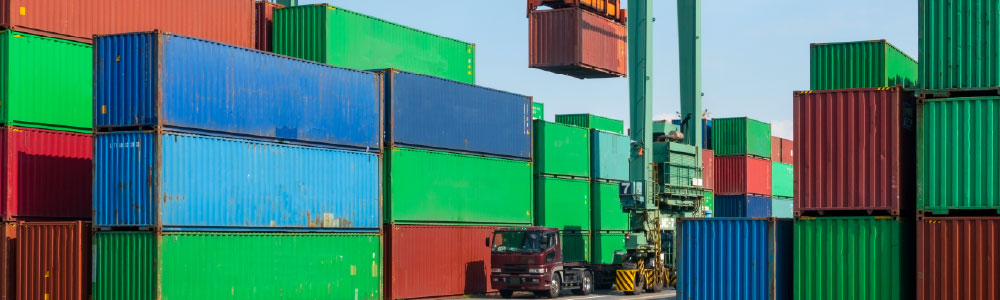
The move toward intent-driven optimization reflects a fundamental shift in how terminals think about equipment dispatching. Instead of reacting to events as they occur, dispatching becomes a coordinated, forward-looking activity guided by operational priorities. This approach considers what the next moves should be – not just what they currently are – and sequences jobs to prevent out-of-order arrivals at the quay. It balances HTE pools across multiple cranes, ensuring that one area is not over-resourced while another sits under-serviced. It also anticipates when vehicles will arrive at yard cranes and quay cranes, enabling smarter assignments that maintain a steady flow.
Crucially, intent-driven optimization adjusts continuously as operations evolve. It ensures that the right equipment is positioned at the right place at precisely the right time. In doing so, it strengthens the coordination of quay and yard operations and enhances the consistency of just-in-time service across the terminal.
Real Operational Gains: What Optimized Equipment Dispatching Enables
From micro-decisions to terminal intelligence
For years, optimization for equipment dispatching has meant solving the next problem in front of us: assign a truck, sequence a crane, clear the next move. Useful, but limiting. What’s changing now is a shift toward high-dimensional decision-making that adapts to what the terminal really looks like, not just what is fully visible. By operating under partial observability and learning to separate signal from noise, this new approach responds intelligently to uncertainty, anticipating congestion, absorbing variability, and making decisions that stay coherent across time, equipment, and workflows.
Turning operational gains into bottom-line results
This isn’t optimization for optimization’s sake. The impact shows up where it matters: faster cycles, better balance between QC, HTE, and yard cranes, better vessel planning and sequencing, and more stable productivity. When idle time drops and utilization improves, throughput increases without adding assets. The outcome is tangible: lower operating cost per move, deferred capital spend, and a more reliable service level that customers actually feel. These are the KPIs that translate directly into margin and growth.
Working alongside the TOS, not around it
Crucially, this intelligence doesn’t operate in isolation. It runs in tandem with the TOS and other optimization agents – yard, vessel, berth, gate – each doing what it does best. The difference is coordination. By aligning and arbitrating decisions across these agents, the terminal stops behaving like a collection of silos and starts acting like a unified system. The result is not just smarter decisions in one area, but a terminal that is more resilient, more predictable, and better equipped to handle real-world complexity.
Looking Ahead: Why Dispatching Will Define the Next Era of Terminal Operations
As vessels grow larger, new operator alliances define volumes, and operational pressures intensify, efficient dispatching becomes indispensable. The terminals that will excel in the coming decade are those capable of making coordinated, real-time decisions across cranes, vehicles, waterside, and yard operations. Optimization of container handling operations increasingly depends on the precision and timing of these decisions, not just on equipment capacity or staffing levels.
Equipment dispatching is not a background function; it is a core performance driver. Terminals that embrace intent-driven, coordinated dispatching unbolt steadier flows, stronger equipment utilization, and higher operational efficiency. In a world where every second counts, optimized dispatching is the foundation of a resilient, high-performing terminal ready for the demands of global trade.
Trending Now
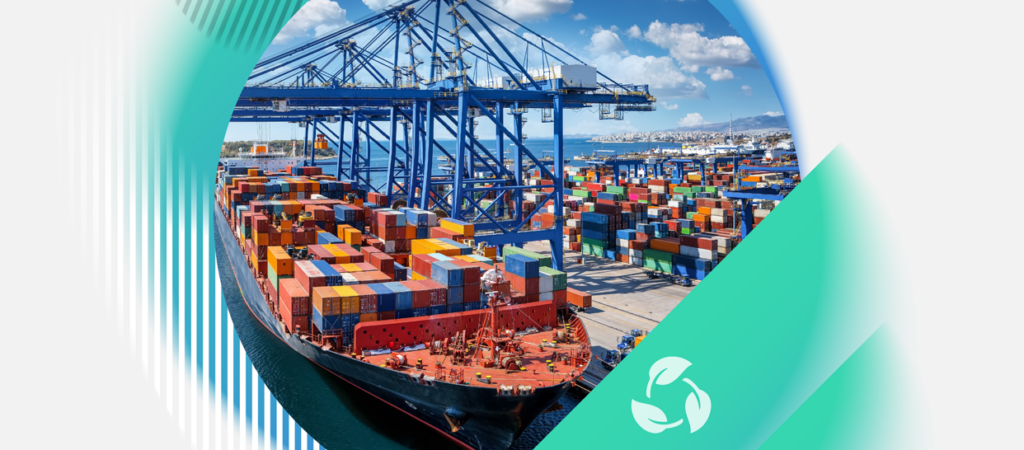
Greening the Supply Chain: The Time to Act is Now
The maritime industry is rapidly shifting towards net-zero emissions, with container terminals playing a crucial...
Learn More 
Avlino Joins TIC 4.0 to Advance Standardization in Container Terminal Operations
Avlino is proud to announce its membership in the Terminal Industry Committee 4.0 (TIC 4.0). By joining this inf...
Learn More 
6 Ways to Reduce Port Congestion
Port congestion has become a significant bottleneck in global trade, impacting the efficiency and reliability of...
Learn More Take A Closer Look
Wondering what this solution looks like in your own container yard? Download the comprehensive case study that breaks down the how and why—and envision groundbreaking progress in your operations for tomorrow.