
- Solutions
- PortLink Solutions
Solutions Suite unlocks the power of optimization to make cargo flow.
Learn More Request a Demo

- PortLink Solutions
- Solutions
- PortLink Solutions
Solutions Suite unlocks the power of optimization to make cargo flow.
Learn More Request a Demo
- PortLink Solutions
Lifting Container Yard Management with Intent-Driven Optimization

By Nithin Dsouza, Director of Engineering at Avlino
Container terminal yards are foundational to the global flow of goods, serving as complex environments where space, equipment, and time must be managed with precision. As trade volumes become volatile and operational demands intensify, traditional methods of yard planning and execution often fall short, constrained by static rules and manual adjustments that can’t keep pace with shifting conditions.
In this landscape, a new generation of yard management solutions is emerging, built around intent-driven optimization and structured as Objective Oriented Operating Systems (3-O Systems). These systems are designed to align daily operations with business objectives, continuously refining performance to meet throughput, cost, and reliability goals. The result: container handling operations that are not only more efficient, but more responsive, scalable, and resilient.
Understanding Container Yard Management and Its Challenges
Effective yard management hinges on the strategic movement, placement, and retrieval of containers within the terminal’s storage area. These operations, essential to timely vessel loading, unloading, and intermodal transfers, are often constrained by space limitations, equipment availability, and fluctuating cargo flows. Terminal operators face a range of persistent challenges: yard congestion, inefficient container stacking, delays in locating units, and bottlenecks during peak periods. These inefficiencies can ripple across the terminal, leading to higher costs, slower turnaround times, and reduced service levels.
Addressing these challenges requires more than process digitization, it calls for systems that are purpose-built to align operational decisions with terminal-wide objectives. Solutions that incorporate intent-driven optimization bring this capability to life by continuously analyzing yard conditions, container priorities, and equipment activity to ensure that operations stay on track, no matter how dynamic the environment becomes.

Key Areas of Operational Improvement Through Intent-Driven Optimization
Container terminals operate under constant pressure to maximize yard productivity while maintaining fluid, predictable workflows. Intent-driven optimization empowers terminals to respond to that pressure through decision-making that is continuously refined by operational objectives and real-time yard dynamics. Key areas of impact include:
- Higher Throughput: By aligning container placement and retrieval strategies with throughput goals, optimized systems reduce unproductive moves and enhance equipment utilization. This leads to faster turnaround times and greater handling efficiency, particularly during peak volumes.
- Operational Visibility and Control: Integrated yard systems provide end-to-end visibility into container locations and equipment activity. With real-time updates and structured prioritization, operations teams can respond quickly to disruptions and maintain schedule reliability.
- Optimized Resource Allocation: Equipment and workforce deployment is fine-tuned in line with container flow patterns and operational targets. This ensures that critical resources, such as yard cranes and horizontal transport equipment, are positioned for maximum impact without overuse or redundancy.
- Proactive Asset Management: Continuous monitoring of equipment utilization and performance supports proactive maintenance scheduling and smarter deployment decisions. This reduces downtime and extends asset lifecycles without requiring reactive interventions.
- Cost Efficiency: Intent-driven yard operations help eliminate inefficiencies such as re-handling, misplacement, and underutilized equipment. The result is a measurable reduction in operational costs without compromising service quality.
Future Trends and the Road Ahead
As container yard management evolves, so too must the systems that support cargo handling operations. The future of yard management is being shaped by solutions that emphasize integration, adaptability, and long-term sustainability, delivered through platforms built on operational intent and continuous improvement that set new standards for efficiency and accuracy.
Key trends influencing this shift include:
- System Integration Across the Terminal Ecosystem
Yard solutions are increasingly interconnected with berth planning, gate operations, and dispatch systems. This integrated approach creates shared visibility and synchronized actions across the terminal, improving coordination and reducing delays. - Enhanced Data Utilization for Decision Enhancement
With greater access to operational data, terminals can benefit from systems that translate historical patterns and live conditions into continuously adjusted decision logic. This leads to more reliable planning, better execution, and outcomes that stay aligned with performance targets. - Sustainable Yard Strategies
As environmental standards rise, terminals are adopting systems that help reduce energy consumption, optimize equipment usage, and support low-emission operations. Intent-driven yard optimization plays a central role by minimizing unproductive moves and improving flow efficiency.
This forward-looking transformation is not just about technology, it’s about building operational frameworks that can adapt, scale, and deliver results over time.
Building a Resilient Supply Chain Through Intent-Driven Operations
Efficiency in cargo handling operations doesn’t happen by chance. Container terminals need more than incremental improvement; they need systems designed to align daily execution with long-term strategic goals. Intent-driven yard operations, delivered through Objective Oriented Operating Systems (3-O Systems), provide a foundation for this transformation.
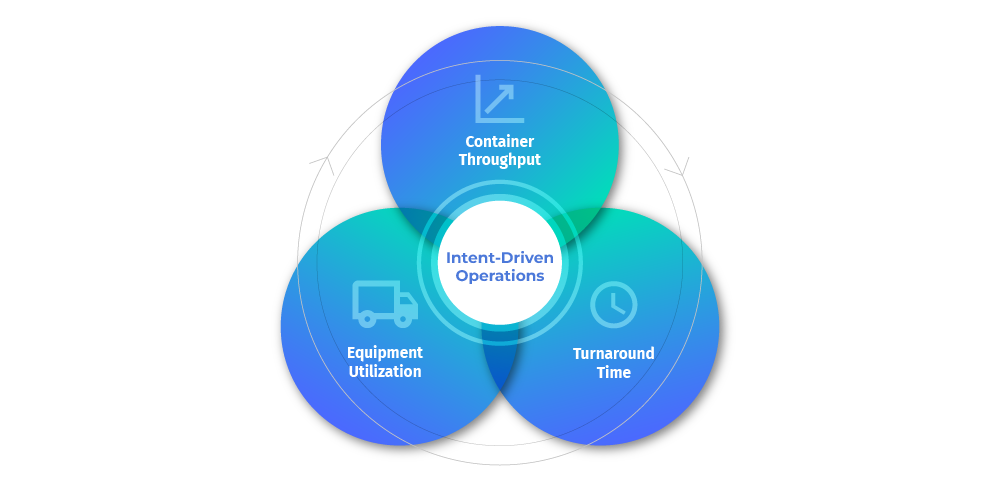
By embedding operational intent into every layer of yard activity, from container placement to equipment deployment, terminals gain a resilient, responsive framework that supports continuous improvement. The result is an operation that doesn’t just adapt to challenges, but actively aligns with performance priorities such as reliability, cost efficiency, and throughput.
Avlino’s PortYard module exemplifies this approach. Designed to support terminal operators in building sustainable, scalable performance, it brings clarity and precision to even the most complex yard environments. As part of the broader PortLink Solutions suite, it empowers terminals to move from reactive decisions to purpose-driven operations, setting a new standard for container yard management.
Trending Now
Avlino at ASEAN Ports and Logistics 2024
We are thrilled to announce that Avlino will be participating in the 22nd ASEAN Ports and Logistics Conference, ...
Learn More 
Avlino at Black & Caspian Sea Ports & Logistics 2024
Constanta, Romania – Avlino is thrilled to announce its participation in the Black & Caspian Sea Ports &...
Learn More 
From Rule-Based to Intent-Driven: A New Paradigm for Terminal Operations
Container terminals handle over 800 million TEUs annually, yet inefficiencies in key operational areas result in...
Learn More Take A Closer Look
Wondering what this solution looks like in your own container yard? Download the comprehensive case study that breaks down the how and why—and envision groundbreaking progress in your operations for tomorrow.