
- Solutions
- PortLink Solutions
Solutions Suite unlocks the power of optimization to make cargo flow.
Learn More Request a Demo

- PortLink Solutions
- Solutions
- PortLink Solutions
Solutions Suite unlocks the power of optimization to make cargo flow.
Learn More Request a Demo
- PortLink Solutions
A New Approach to Operational Excellence
Intent-driven optimization solutions for cargo handling operations in container terminals
By the Marketing Team at Avlino
Intent-Driven Optimization refers to a system of operations management in which algorithmic enhancements among other techniques, support the interpretation and execution of predefined intents or goals, optimizing processes to meet specific outcomes. Instead of manually adjusting workflows or operations, organizations provide a “statement of intent”, what they want to achieve, whether it’s improving efficiency, reducing costs, or enhancing performance. The intent-driven system interprets this objective, using operational modeling and data-based decision enhancement to adjust and optimize resources, processes, or infrastructure accordingly.
By continuously learning from past actions and results, intent-driven systems dynamically adapt to changing conditions, leading to more agile and efficient operations across various applications. This approach shifts human intervention to a supervision role, streamlines decision-making, and allows organizations to respond to complex and evolving demands with greater precision.

Intent-Driven Operations in Container Terminals
Container terminals play a pivotal role in the global supply chain, serving as critical hubs for the efficient flow of goods across the world. However, optimizing operations across key areas such as the yard, berth, and gate has become increasingly complex and terminal operators face the challenge of balancing conflicting objectives: maximizing container throughput, minimizing carrier turnaround time, and reducing equipment utilization.
Intent-based operations are designed to interpret and manage the operational intents of terminal operators, dynamically adjusting processes to meet specific goals. The concept revolves around the idea that operators can provide an objective, for example, maximizing throughput or minimizing equipment usage, and the system will optimize resources and processes to achieve these outcomes. Intent or Objective-driven systems can balance the necessary trade-offs by dynamically adjusting the operational logic across the terminal to achieve the most desired outcome.

Managing Conflicting Operational Goals
One of the key benefits of Intent-driven operations is the ability to balance the competing priorities of container terminal operations: throughput, resource utilization and turnaround times. Achieving higher container throughput without increasing the workload on equipment, can end up extending carrier turnaround time. Intent-driven systems can optimize workflows to ensure that throughput is maximized without significantly affecting the time vessels spend at berth. By anticipating bottlenecks and preemptively allocating resources, it helps terminals find the sweet spot between high throughput and swift turnaround times.
However, reducing turnaround time can sometimes lead to overusing equipment, which results into wear and tear. Intent-driven operations can autonomously shift equipment usage to minimize wear while maintaining the required speed of operations, ensuring that service levels are maintained without excessive strain on assets.
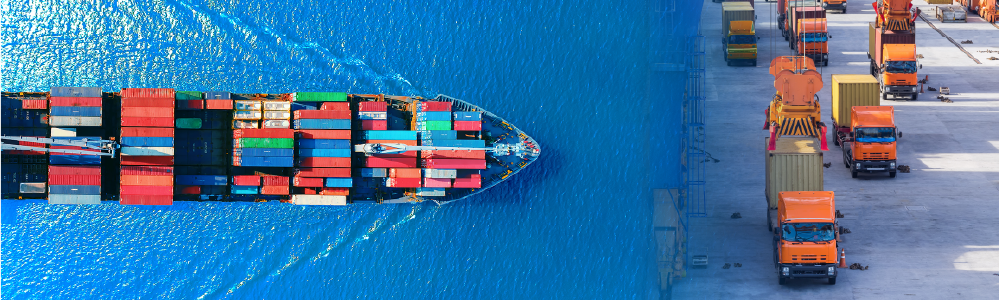
Intent-Driven Optimization from Water to Land
We have established that intent-driven operations in container terminals are centered on defining operational goals, whether that’s reducing carrier turnaround times or increasing throughput, and then allowing the system to interpret, manage, and optimize accordingly. This approach can be applied to various key areas of terminal operations, water to landside:
- Yard Optimization: The yard is the core of container operations, where space management and equipment utilization are crucial. Intent-driven systems can manage yard space allocation based on real-time demand, ensuring that containers are stored and retrieved in the most efficient manner. By analyzing the intent to balance throughput and resource use, the system can minimize unnecessary equipment moves, thus reducing wear on assets while maintaining operational flow.
- Berth Optimization: Berth scheduling can be dynamically adjusted to meet the intent of reducing carrier turnaround time. This includes adjusting berth assignments in real-time, rerouting incoming vessels to available berths, and managing load and discharge plans. The system continuously learns from historical data and real-time operations, refining its ability to meet both throughput and turnaround goals simultaneously.
- Gate Optimization: The gate area is often the most congested part of a terminal, where trucks enter and leave with cargo. Intent-driven systems allow for improved gate management by dynamically adjusting appointment windows, coordinating trucking schedules with yard capacity, to minimize truck wait times. This not only reduces congestion but also enhances overall efficiency in the flow of goods in and out of the terminal.
- Equipment Utilization: One of the most complex challenges is balancing equipment utilization with performance. Excessive use of Yard Cranes and Horizontal Transport Equipment leads to increased maintenance costs and downtime, yet these resources are vital for maintaining high throughput. Intent-driven operations leverage real-time data and algorithmic processes to determine the optimal use of equipment, reducing unnecessary movements and prolonging the lifespan of assets. The system can dynamically allocate equipment where it’s most needed, whether it’s moving containers in the yard, loading them onto vessels, or serving rail operations.
Look Ahead
As the container terminal industry continues to evolve, the push for more efficient and responsive operations becomes increasingly critical. Intent-driven operations are poised to reshape how terminals function, equipping operators with the means to achieve operational excellence while balancing competing priorities. Through advanced optimization, terminals can streamline workflows, allocate resources with greater precision, and enhance service quality, all while maintaining cost control. As expectations for faster and more dependable logistics grow, intent-driven operations provide a clear path forward, helping container terminals scale effectively and sustain high performance without compromise.
Find more in this Case Study
Trending Now
Avlino at TOC Europe 2024
Avlino is excited to announce its participation in TOC Europe 2024, set to take place in Rotterdam. As a pioneer...
Learn More 
6 Ways to Reduce Port Congestion
Port congestion has become a significant bottleneck in global trade, impacting the efficiency and reliability of...
Learn More 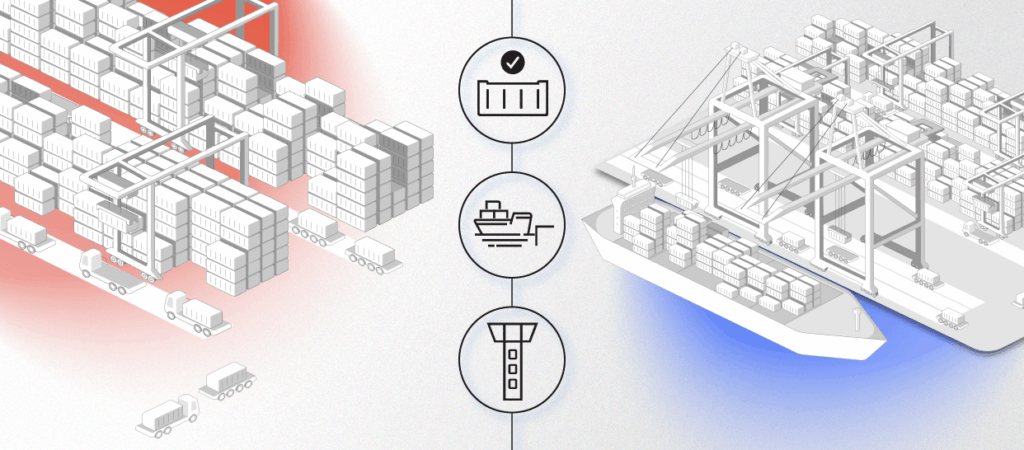
Solutions in Action: Managing Congestion and Capacity Challenges
Terminal operators face mounting pressures to manage yard capacity and vessel turnaround times without compromis...
Learn More Take A Closer Look
Wondering what this solution looks like in your own container yard? Download the comprehensive case study that breaks down the how and why—and envision groundbreaking progress in your operations for tomorrow.